

ABF–LUMS Thought Leadership Session Explores What Pakistan Needs to Take Its IT Industry to the Next Level


Pakistan’s technology sector has significant potential to drive exports, investment, and economic growth. Unlocking this potential, however, requires more than a growing talent pool and rising IT exports. It calls for reliable digital infrastructure, industry-ready skills, greater access to international markets, growth-stage capital, and a predictable policy environment.
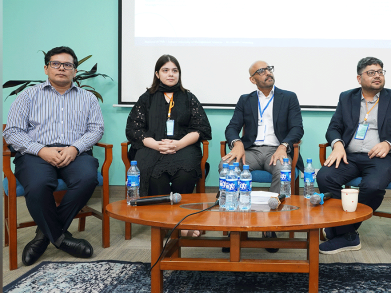
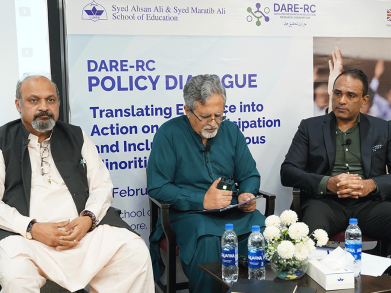
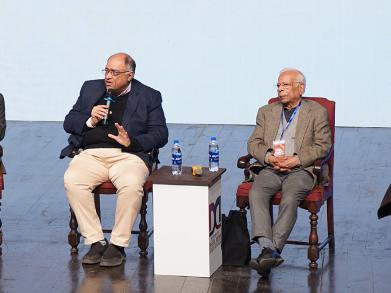
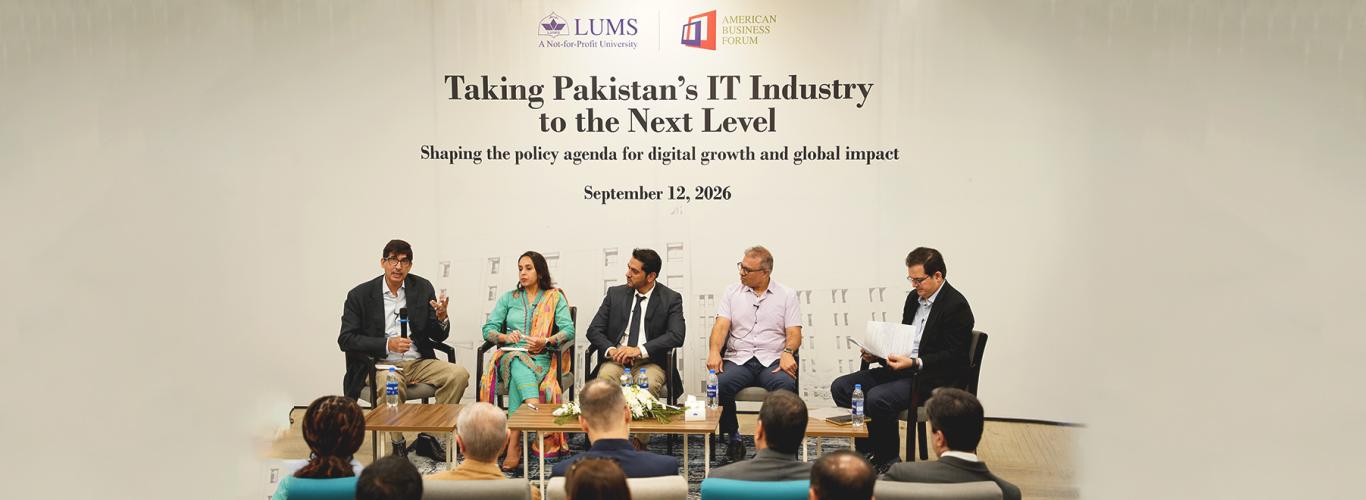
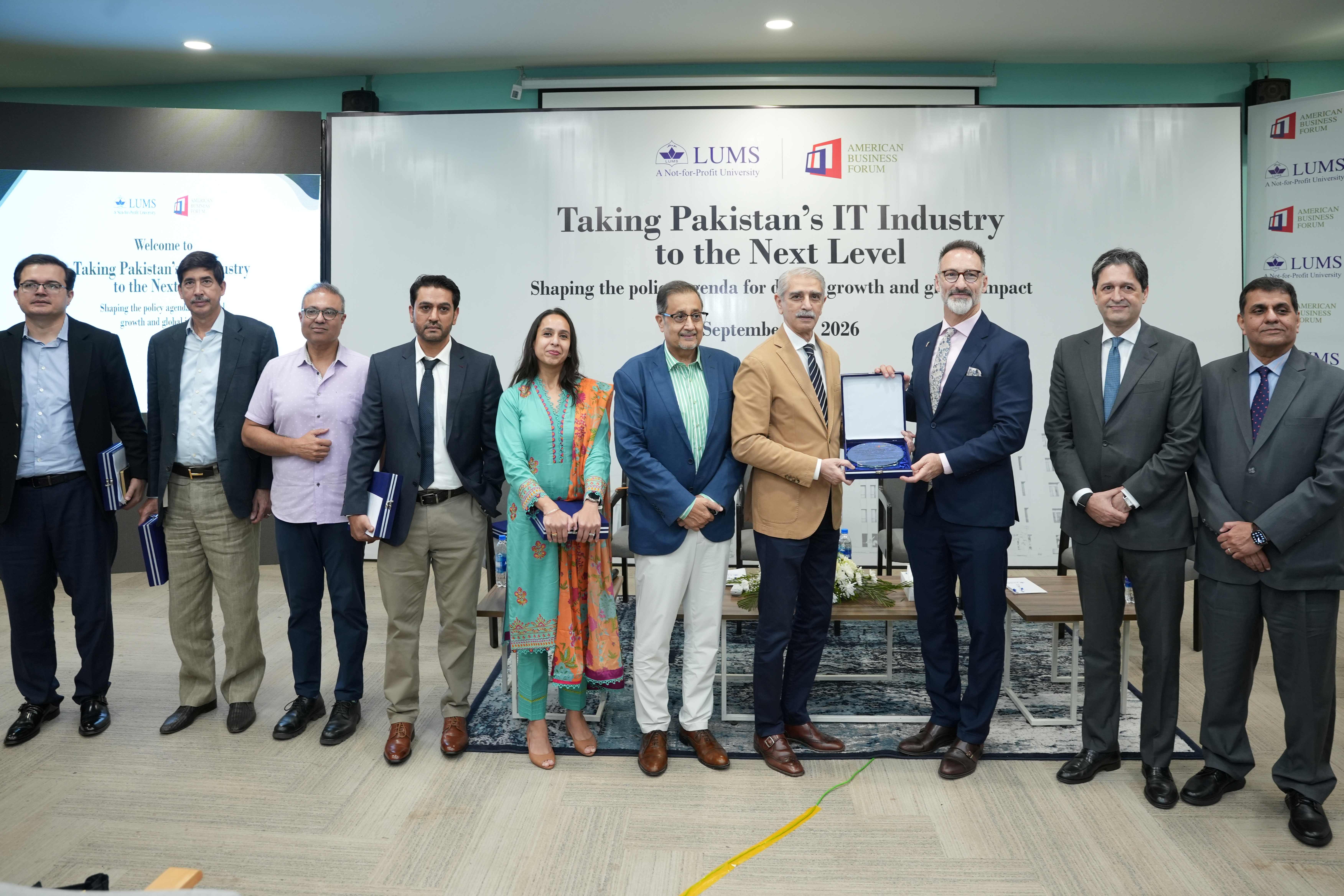
These questions took centre stage at the ABF–LUMS Thought Leadership Session, “Taking Pakistan’s IT Industry to the Next Level,” held on Saturday, September 12, 2026, at LUMS. Convened jointly by the American Business Forum (ABF) and LUMS, the session brought together government, industry, and academia for a candid discussion on the structural challenges and opportunities shaping Pakistan’s technology sector.
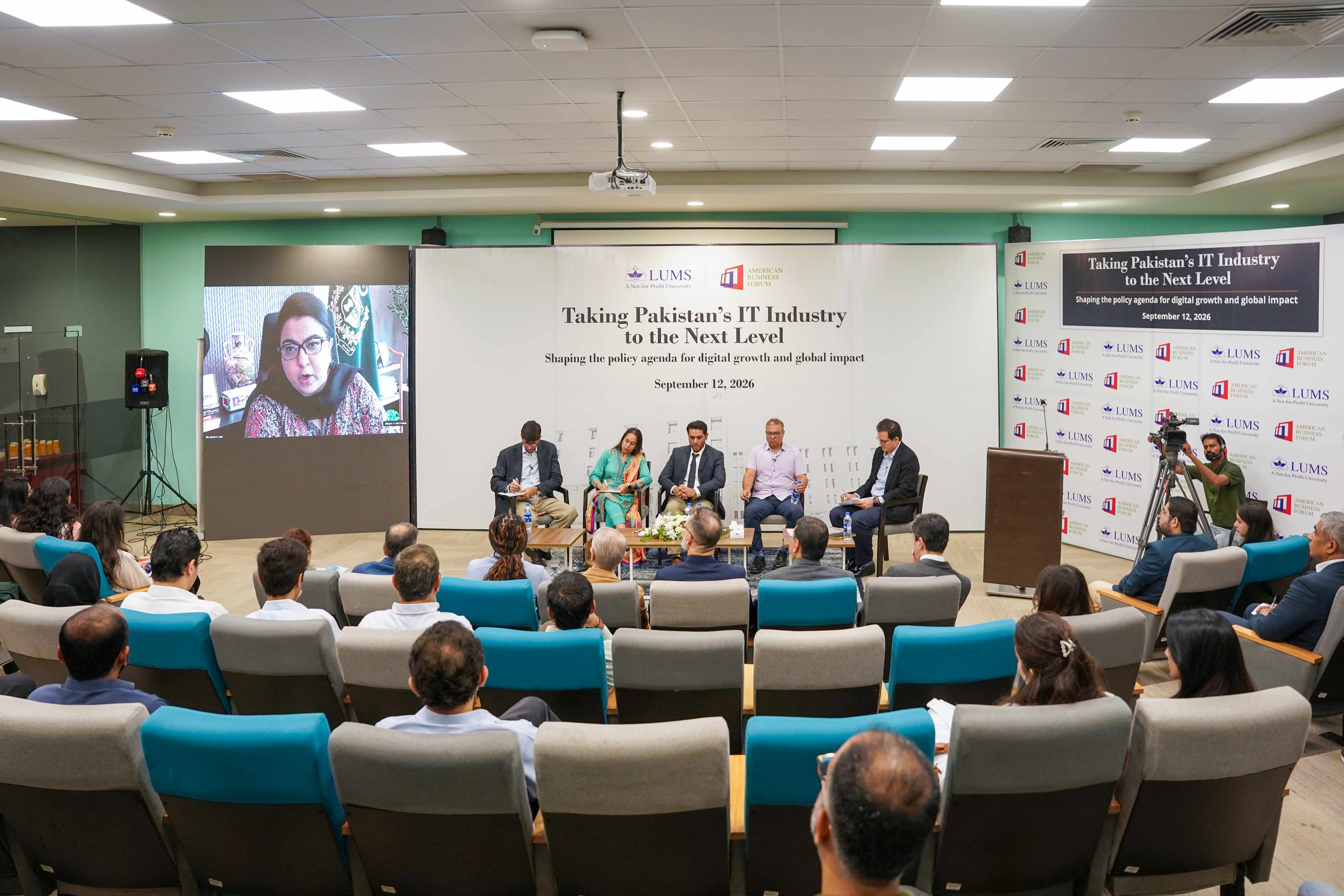
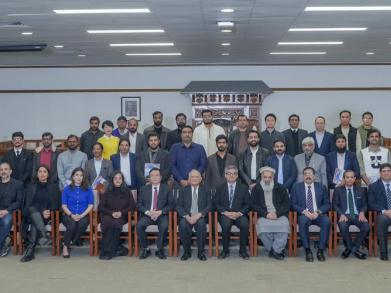
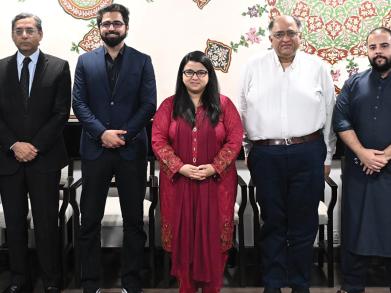
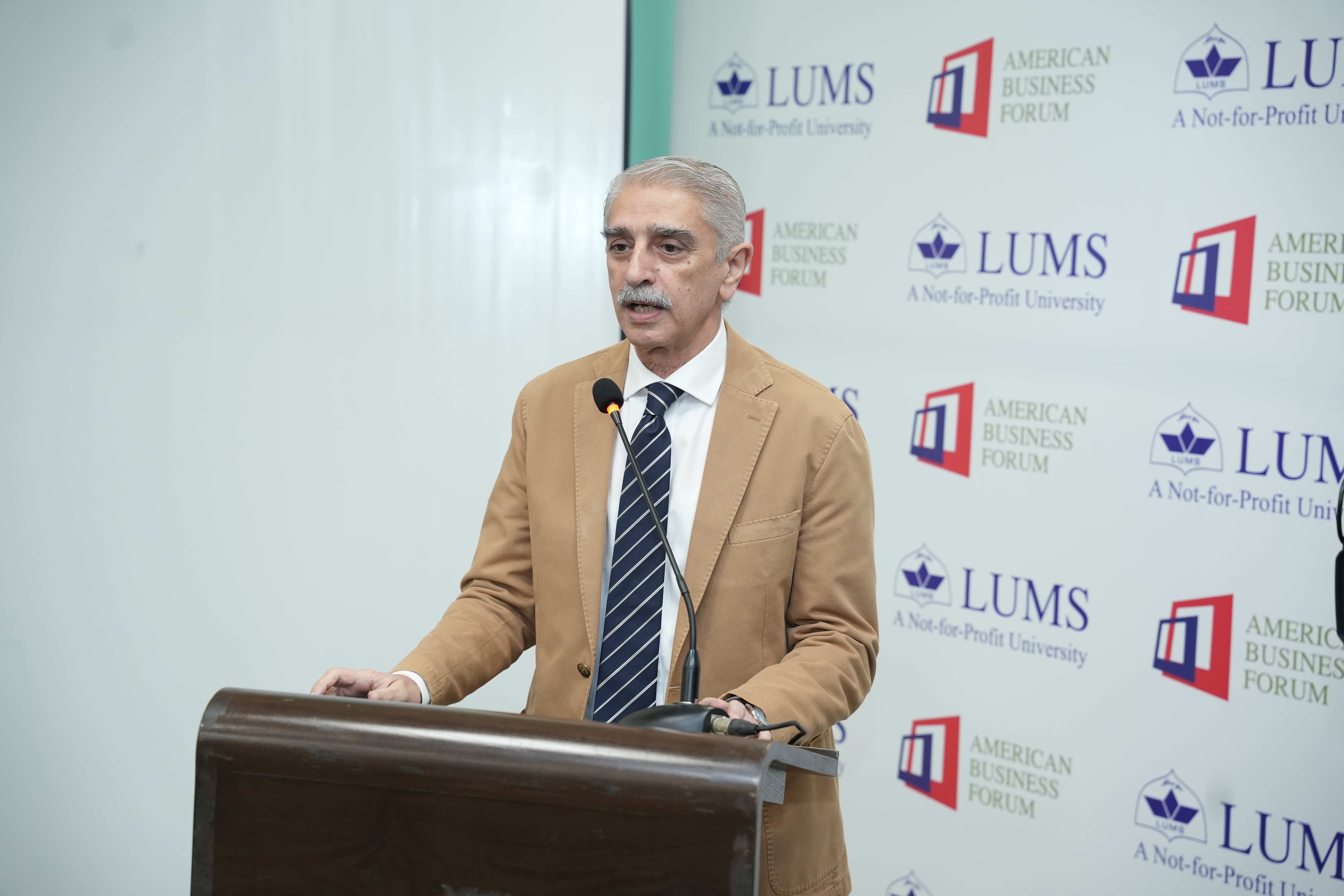
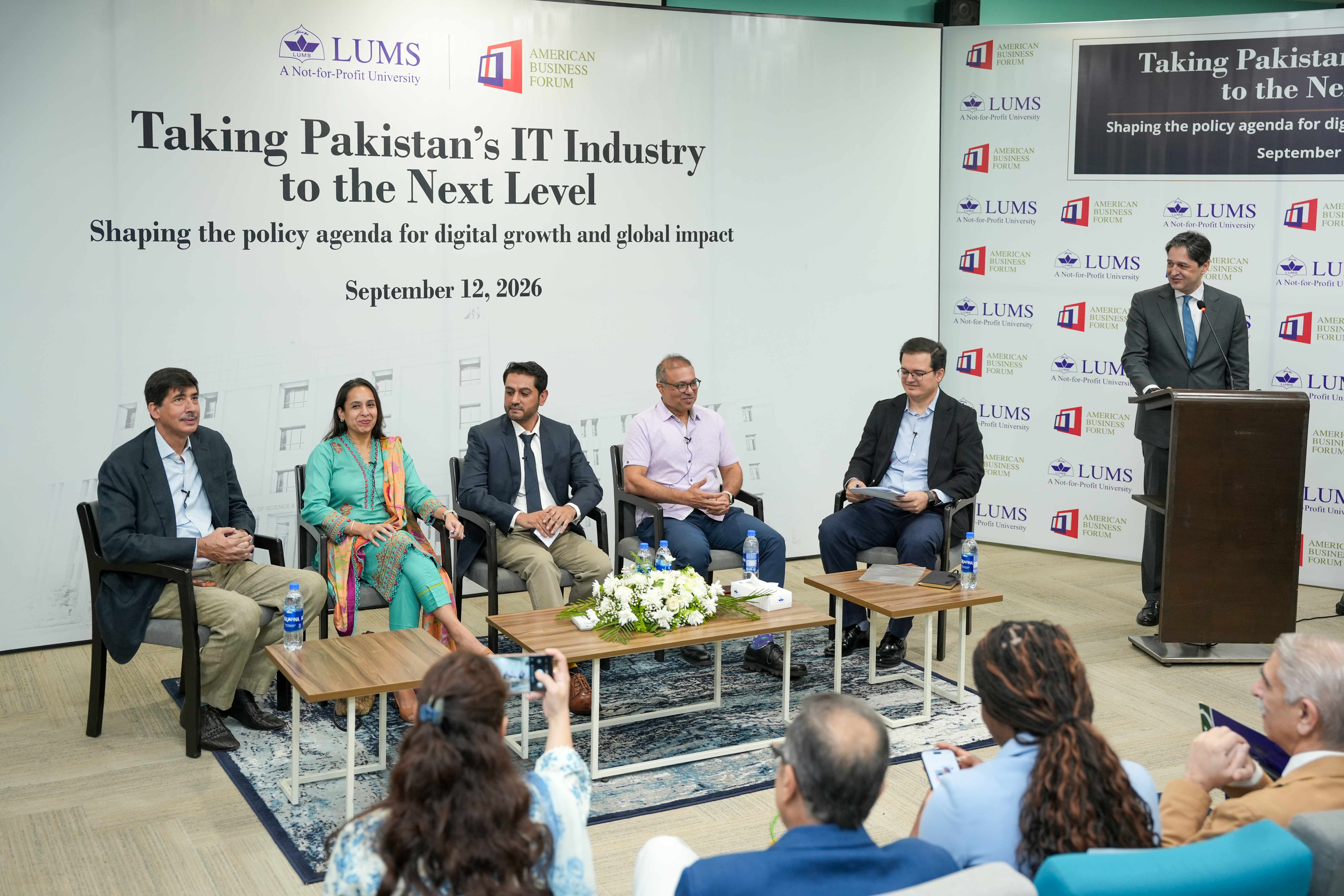
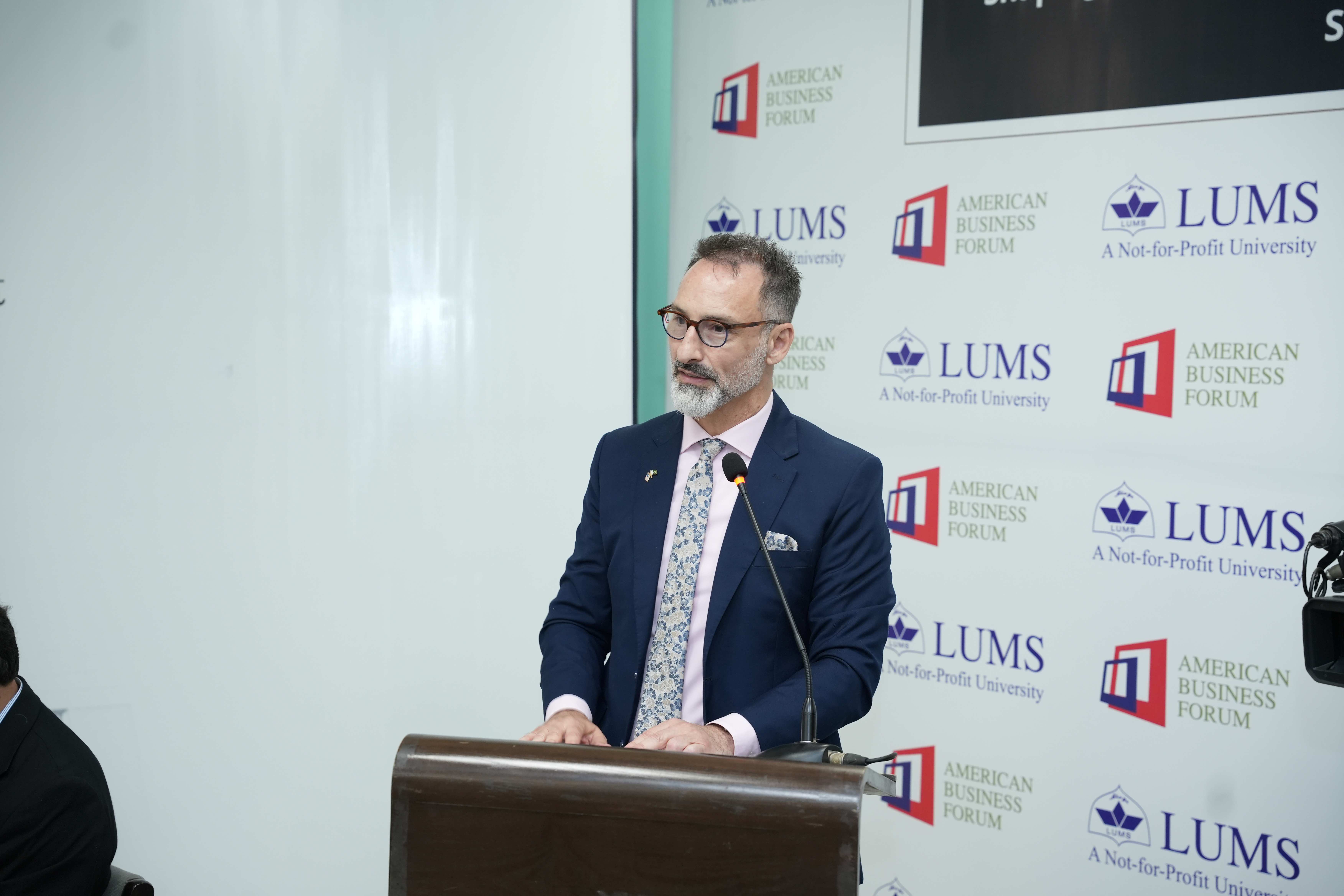
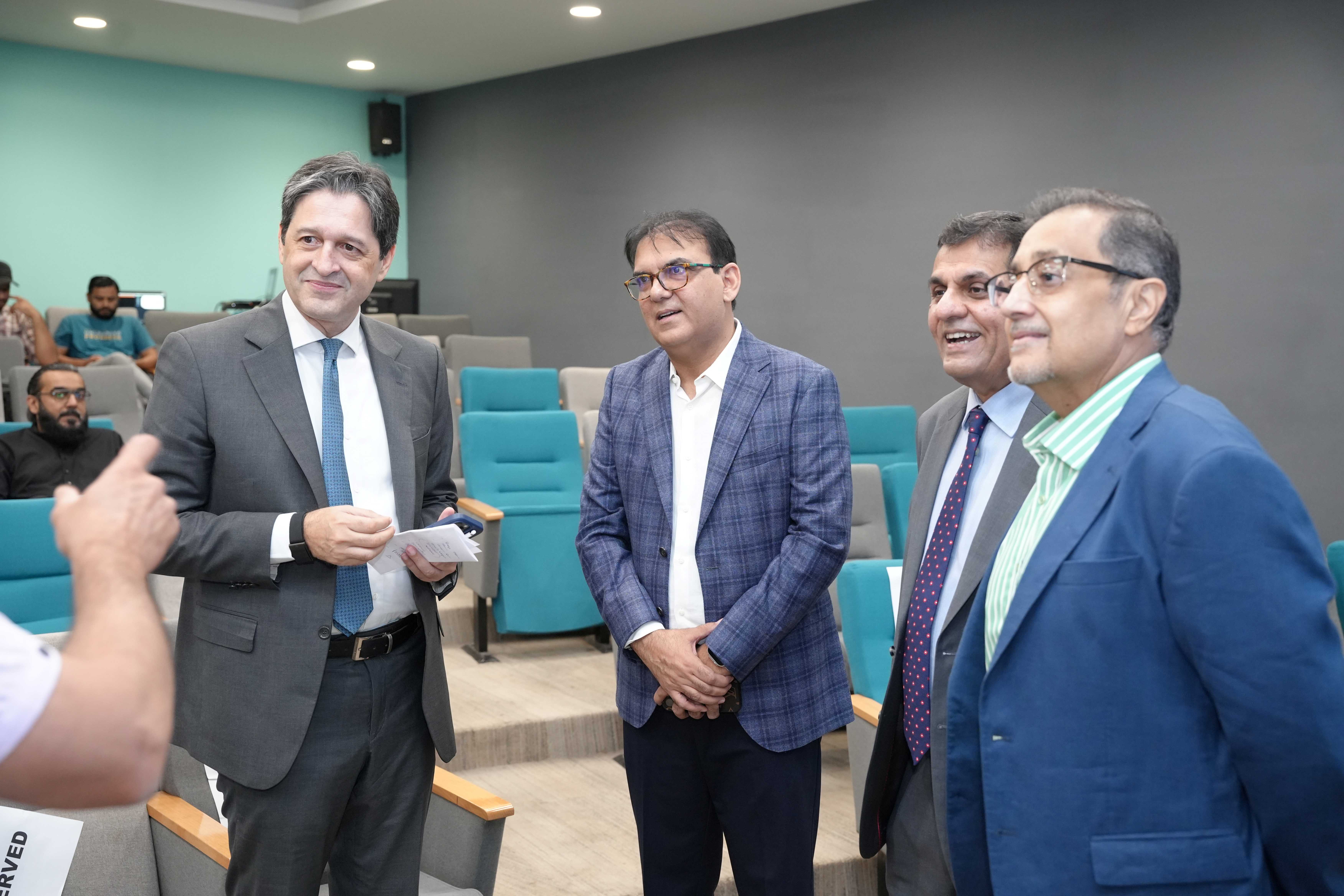
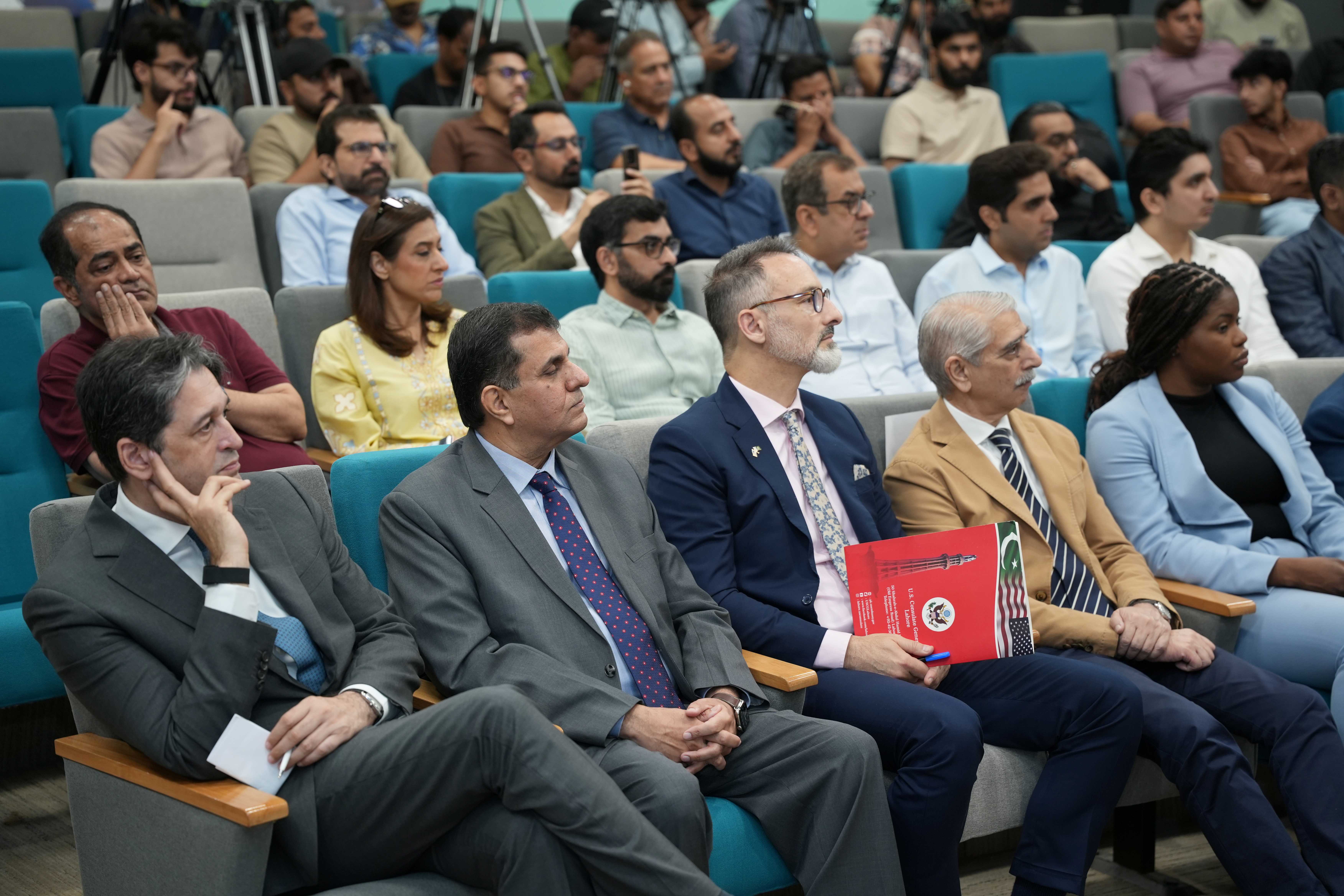
The panel featured Shaza Fatima Khawaja, Federal Minister for IT and Telecommunication; Umair Khan, Co-founder and Chairman, Folio3, and Founding Partner, Mentors Fund; Dr. Syed Sohail H. Naqvi, Chairperson, Knowledge Streams, and Director, EdTech, TMC; Ahmed Azmat, Director Operations, Stewart Pakistan; and Dr. Hadia Majid, Associate Professor and Chair, Department of Economics, LUMS. The discussion was moderated by Dr. Ihsan Ayyub Qazi, Professor of Computer Science, LUMS. The session was also attended by Stetson Sanders, US Consul General Lahore; Osman Khalid Waheed, President, ABF; and Shahid Hussain, Rector, LUMS, highlighting the importance of continued engagement among policymakers, business leaders, academia, and international partners in strengthening Pakistan’s technology ecosystem.
 |  |  |
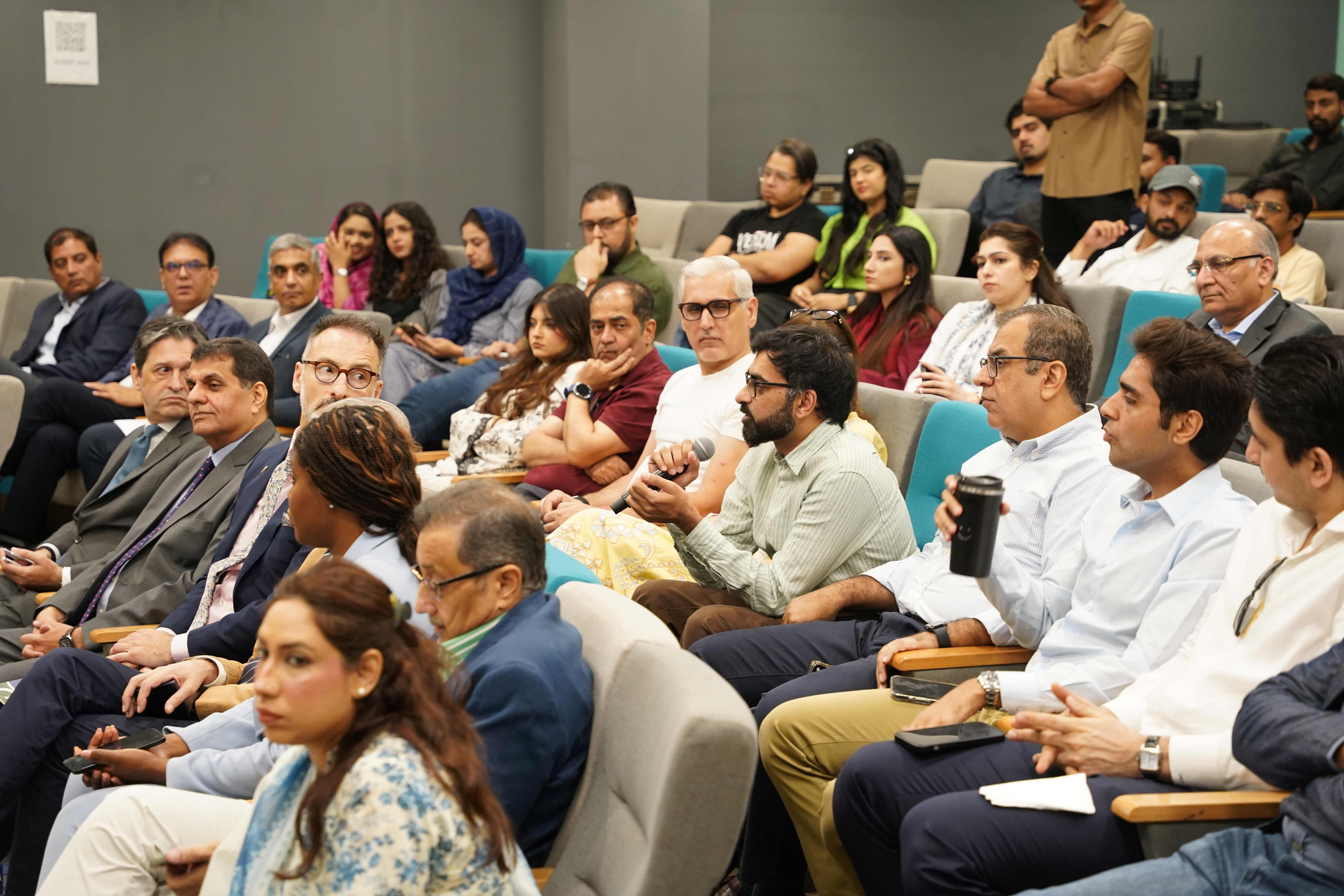
The discussion focused on the key factors that will determine whether Pakistan can translate its growing technology base into a globally competitive IT industry. Panellists examined challenges related to talent, digital infrastructure, investment, policy, and international market access, while considering practical steps that could support the sector’s next phase of growth.
Federal Minister for IT and Telecommunication Shaza Fatima Khawaja highlighted the need to strengthen Pakistan’s digital infrastructure, including fibre connectivity, mobile broadband, spectrum availability, and satellite regulations. She emphasised that reliable connectivity is essential for technology businesses seeking to operate and compete in global markets. The Minister also underscored the need to address the skills gap within the country’s technology workforce and strengthen the alignment between education and industry requirements. This, she noted, requires a sustained focus on employability and technical skills across the education system.
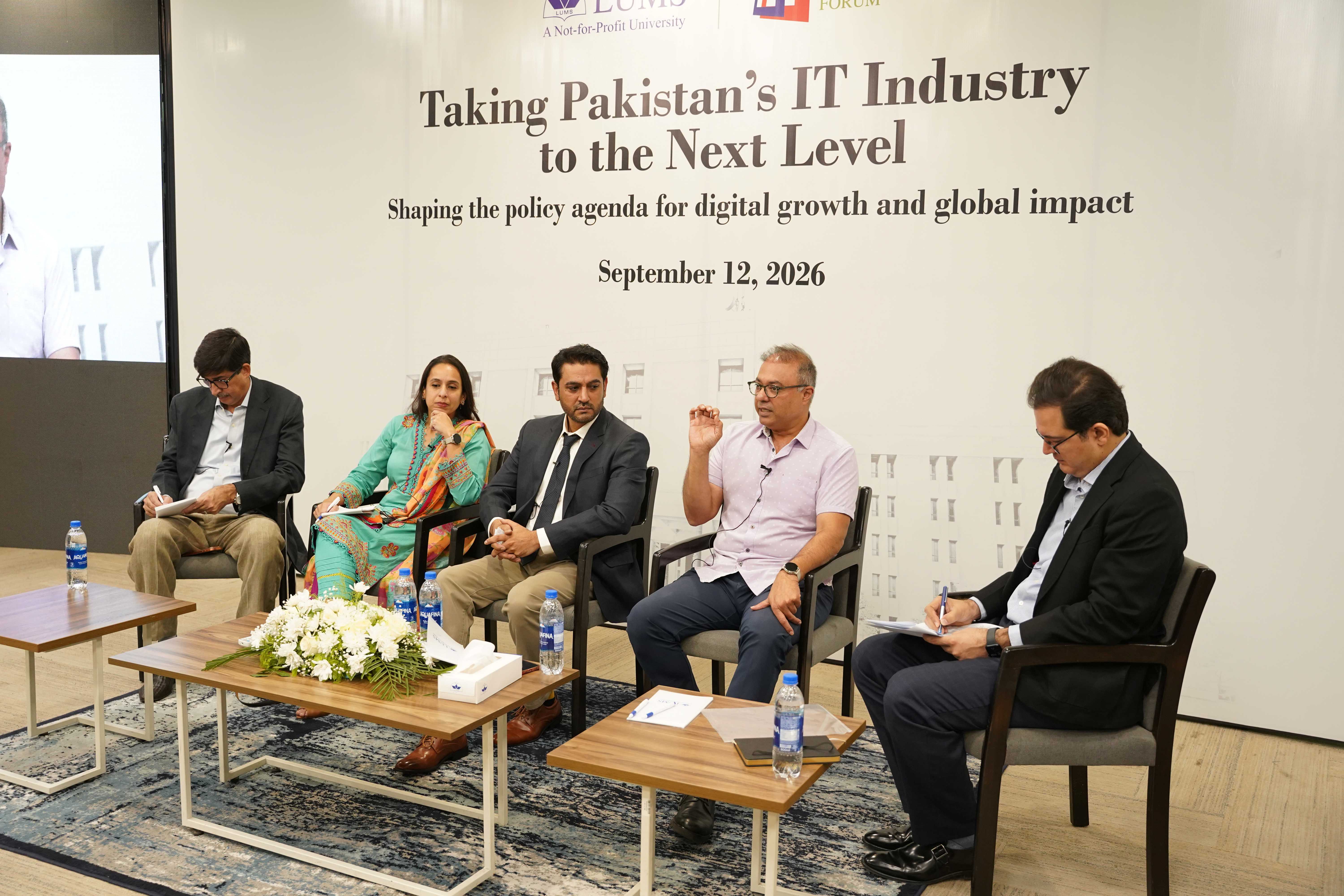
The panellists also discussed the need to create stronger pathways for Pakistani technology companies to grow. Dr. Syed Sohail H. Naqvi highlighted the importance of creating greater demand for local technology solutions, including through government procurement, while Umair Khan emphasised the need for Pakistan to move beyond a predominantly services- and freelance-based model towards building technology companies capable of scaling internationally. Ahmed Azmat reflected on the potential of Pakistan’s talent and business ecosystem to support international operations, while Dr. Hadia Majid highlighted the role technology-enabled work can play in expanding women’s participation in the workforce by creating greater access to flexible and remote employment opportunities.
A recurring theme throughout the discussion was that Pakistan’s IT ambitions cannot be achieved through a single intervention. Building a globally competitive technology sector requires an ecosystem in which education produces industry-ready talent, businesses have opportunities to scale, infrastructure is reliable, policies are predictable, and Pakistani companies can access international markets.
 |  |  |  |
The conversation also highlighted the importance of translating Pakistan’s growing base of technology professionals and freelancers into sustainable, export-oriented businesses. With the government targeting significant growth in IT exports, panellists emphasised the need for coordinated action across government, industry, academia, and the wider technology ecosystem.
The session forms part of the ongoing ABF–LUMS thought leadership collaboration, which provides a platform for dialogue on issues of national economic importance. By bringing together diverse perspectives from policy, industry, academia, and the international community, the collaboration aims to contribute to informed discussions on the opportunities and challenges shaping Pakistan’s economic future.
Watch the full session on YouTube to hear the complete discussion and insights from the panellists. https://www.youtube.com/watch?v=iq4muWqQyEI